

Whoa!
I was tinkering with multi-chain wallets last week. Something felt off about how people describe “multi-chain” as if it’s one checkbox. Initially I thought they all just managed keys, but then I spent a day jumping networks, approving transactions, and watching permissions spiral out of control; after that it became obvious to me that the UX and the security model are the true differentiators, and not just branding or coin support. My instinct said small interaction details explain most user mistakes.
Seriously?
I’m biased, but usability drives secure behavior more than scolding does. Wallets that hide complexity often produce users who click first and ask questions later. On one hand more features mean more potential attack surface, though actually the right features can reduce risk by clarifying intent and trimming needless approvals. This balance is what keeps me looking closely at browser-extension options.
Hmm…
Let me tell you a story from last month. I was helping a friend set up a wallet so they could test a new NFT drop and it turned into a half-day session of explaining networks, gas, and approvals. The usual wallets made it worse by mixing chains in approval dialogs — very confusing. That session made two things clear: first, permission granularity matters; second, visual cues and sane defaults prevent a lot of dumb mistakes.
Whoa!
Okay, so check this out—some wallets do the little things right. They show which network a dApp is asking to access, they require separate approvals per token action, and they keep a clear, scrolling history of what was signed. One extra confirmation step can stop a user from approving a bad contract, and that kind of friction is actually protective. I’m not 100% sure every user wants that, but most people benefit.
Really?
Here’s what bugs me about major players: they standardize interfaces but not threat models. The big names can be opaque about RPC endpoints and often default to shared settings that are convenient but risky. I once watched an account drained because a site asked for an “allowance” and the wallet UI didn’t make the allowance size easy to adjust. That part bugs me — it’s small, trivial even, yet consequences are huge. Somethin’ as small as wording can save thousands.
Whoa!
Now, about the wallet I keep recommending to friends: rabby. I’m saying that because rabby hits a few practical notes that matter to everyday users and power users alike. It segments permissions well, surfaces per-site behavior, and makes network switching explicit rather than implicit. Honestly, it felt like the first time I used a wallet that treated me like a human instead of a crypto-native robot.
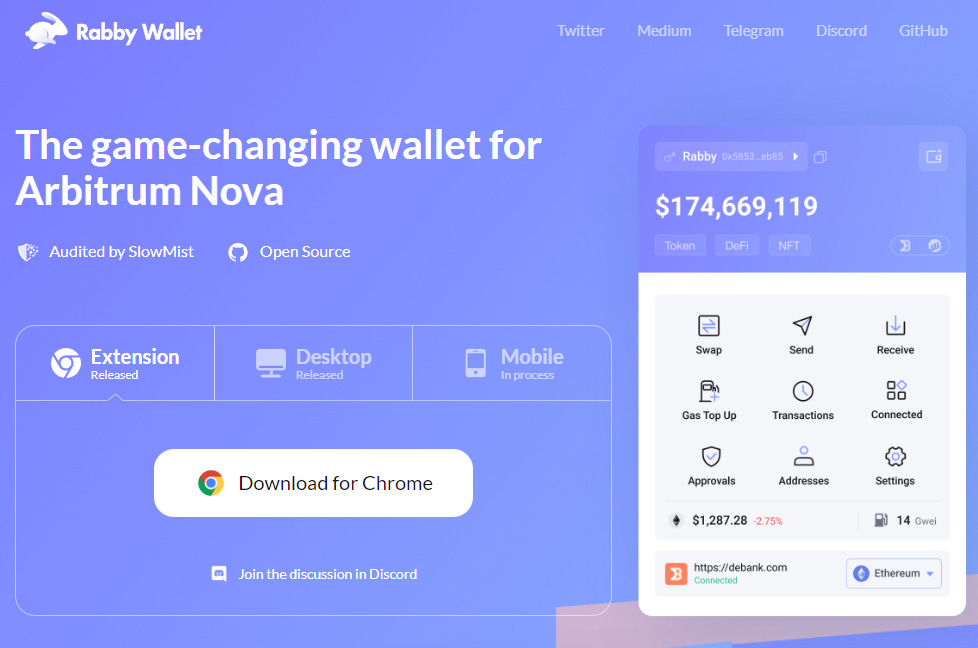
A closer look at functionality and why it matters
Rabby isn’t perfect, though it has a pragmatic feature set that reduces accident-prone moments. The UI separates approvals for token spends versus contract calls, and that matters because people often confuse “signing a message” with “sending tokens”. Initially I thought separating those approvals would annoy users, but in practice it educates them and reduces costly mistakes. I’m biased toward clear affordances, so that sways my picks. (oh, and by the way… the community builds plugins that extend certain workflows, which is handy.)
Whoa!
On the security side, Rabby favors isolation strategies that limit what a malicious site can do in one go. They make RPC endpoints explicit and let you pin providers, which helps if you care about data integrity. On one hand pinning increases setup friction, though actually it protects you from sneaky middlemen that swap endpoints mid-session. For someone who bridges money across chains, that tradeoff is worth the extra click.
Hmm…
Real-world example: I sent a friend some test ETH on a Polygon sidechain because their mainnet balance was low, and the wallet’s network prompts prevented them from accidentally approving a transaction on the wrong chain. That little UX nudge saved them some gas and a headache. I’m not saying rabby is the only answer, but it nails a set of pragmatic safeguards I care about. Also, the dev tools for inspecting approvals are very useful if you tinker.
Whoa!
Let’s be practical: no extension can make you invulnerable. The human element — copying the wrong address, pasting in a malicious contract, or approving with dark patterns — still exists. You still need best practices: keep seed phrases offline, use hardware wallets when you can, and don’t reuse passwords or phrases across devices. That said, tooling that nudges users toward safer defaults is worth celebrating. It’s about risk reduction, not magical safety.
Really?
There are tradeoffs too. Some power users dislike extra confirmations; they call them “annoying” and slow. On the other hand, power users are usually aware of the consequences, and for new users those confirmations are lifelines. On balance, I prefer a wallet that errs on the side of caution while offering an opt-in for streamlined flows. Policy design matters a lot here and it’s where product choices become ethical choices.
Hmm…
If you’re curious and want to try it yourself, check out rabby — the install is quick and the permission model is worth exploring. My friends in Denver liked the clarity, and my cousin in Austin said the onboarding felt like a real conversation rather than a pop-up barrage. I’m not 100% sure every feature fits every use case, but it’s a good starting point for anyone who moves assets across networks.
FAQ
Is a multi-chain wallet safe to use for large amounts?
Short answer: use a hardware wallet for large sums. Longer answer: extensions can be secure for routine use if you follow strong hygiene and pair them with hardware where possible; also prefer wallets that isolate approvals, expose RPC endpoints, and let you restrict allowances. I’m biased toward layered defenses — think “cold storage for big holdings, pocket wallet for day-to-day.”
Will extra confirmations slow me down?
Yes, a little. But that small delay often prevents irreversible mistakes. Personally I accept the tradeoff; some of my friends do too, and a few power users disable certain prompts after they learn the ropes. There’s no one-size-fits-all, which is why wallets that let you choose are better.